
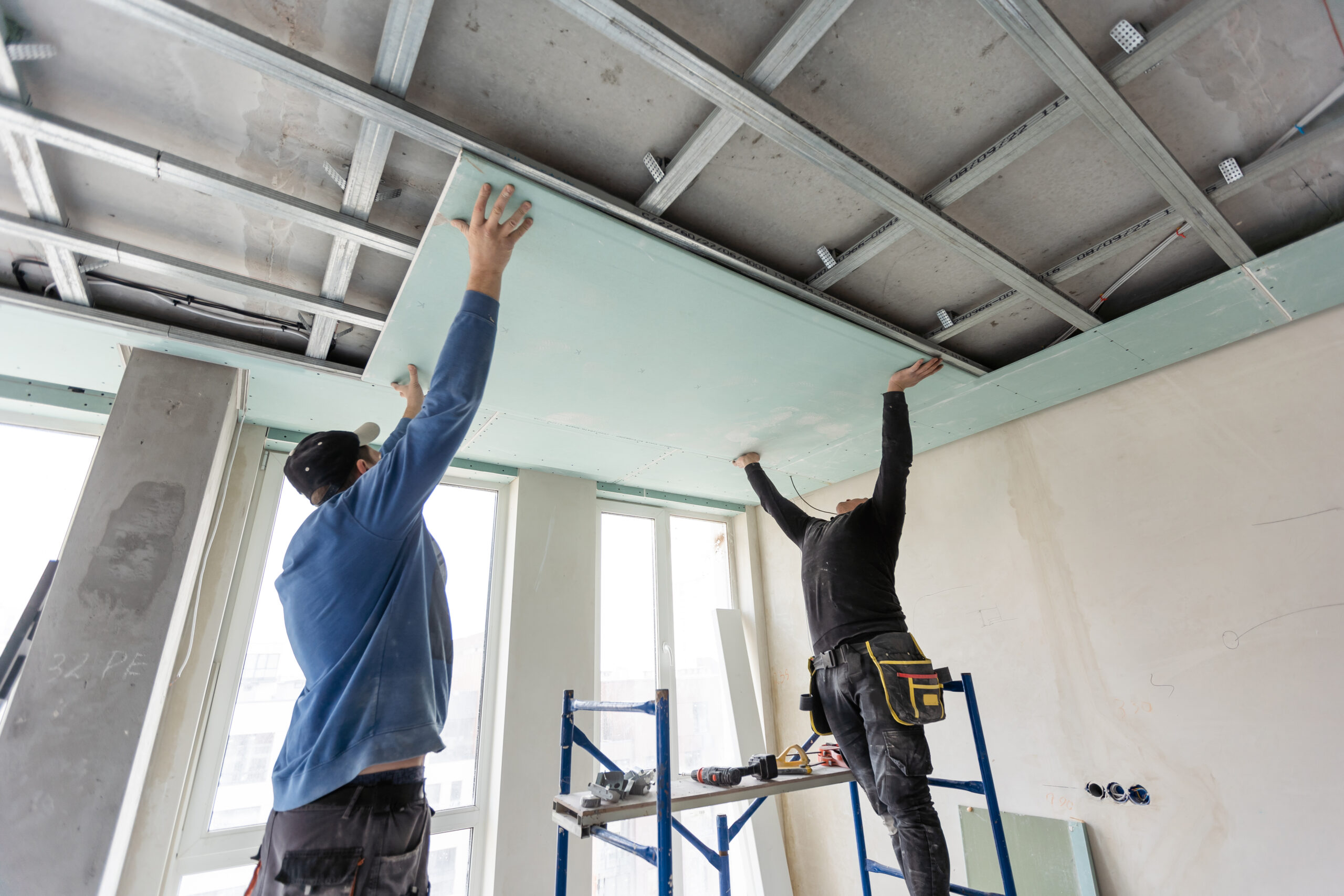
Whether you’re updating a room or finishing up a new construction, when it comes to the drywall, the real question is the price. While the average drywall installation cost is around $1.5-3.5 per square foot; things like its location and the finish do have a say in the actual bill. Professional drywall contractors start by taking measurements and ensuring that the framing is straight; followed by mudding and then smoothing the finished drywall. If you want to learn about the details about residential drywall installation, Murph Brothers has created the following drywall installation guide just for you.
Dollars For Drywall: Facts & Factors Behind The Installation Fees
Are you planning on hanging a new drywall in the living room? Or maybe it’s in the hallway instead? How much would the price be, exactly? Labor is usually the biggest contributor to the cost; while material comes in at second. The section below explores a few factors that play a part in deciding how much your residential drywall installation cost estimate will be.
Take note as we list them all.
Material Price
The first thing we need to look at is the material itself. Depending on specifics, you should expect to pay around $0.30-0.80 per square foot for the drywall sheets.
Labor Charges
The team that takes care of the drywall hanging and taping takes up the majority of the budget. Depending on the skill and reputation of the contractors you pick, be prepared to pay them around $1.00-2.70 per square foot.
| Note: They’ll charge more if you want special drywall texturing |
Accessibility Complexities
Is it the walls that you’re having renewed? Or is it the ceiling instead? If your contractors have to reach high ceilings for the residential drywall installation, they will charge more for their service.
Your Location
If you need the service done in a metropolitan area like New York City, the project is going to be expensive due to high living expenses. However, if you book a residential drywall installation in Senoia, GA, your budget will be comparatively smaller.
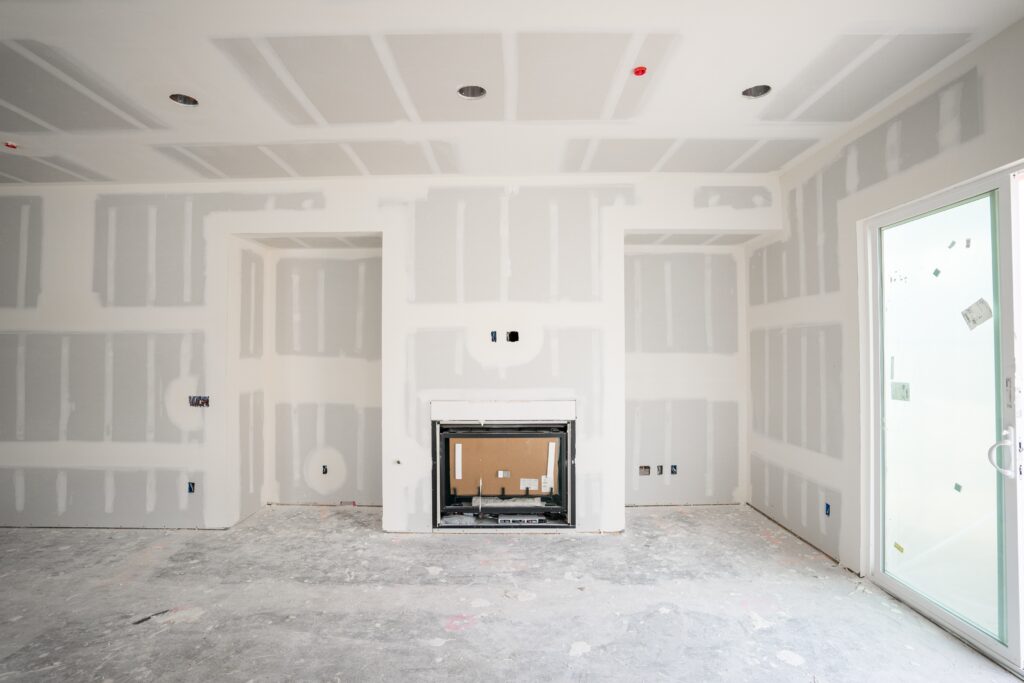
Residential Drywall Installation Cost Estimate
| Project Type | Average Cost | What’s Included |
| Small Room (100–200 sq. ft.) | $500 – $1,200 | Drywall installation, taping, and basic finishing |
| Medium Room (200–400 sq. ft.) | $1,200 – $2,500 | Drywall installation, joint finishing, and sanding |
| Large Room (400–800 sq. ft.) | $2,500 – $5,000 | Complete drywall installation with finishing |
| Whole House Drywall Installation | $8,000 – $30,000+ | Installation throughout the home, taping, mudding, and finishing |
| Drywall Ceiling Installation | $2 – $4 per sq. ft. | Ceiling drywall installation and finishing |
| Drywall Installation (Walls Only) | $1.50 – $3.50 per sq. ft. | Hanging drywall, taping, mudding, and sanding |
Note: Actual drywall installation costs vary depending on the drywall type, project size, ceiling height, labor rates, finishing level, and your location. Additional repairs, insulation, or custom textures may increase the total cost.
Learning The Drywall Installation Steps: How Experts Ensure Perfection
Still with us? Great! Now that you have a better idea of what your budget should look like, it’s time to move on to how exactly a drywall is installed. Professional drywall installation services in Senoia, GA, consist of ensuring that the electric panel sits flush with the new drywall, before moving on to measuring, cutting and hanging the sheets. Once the professional wall finishing is done, the project is complete.
Continue reading as we explain the drywall installation process.
Step 1: Prep Work
Before the drywall sheets can be hung, the contractors ensure that the base is set. They check that the framing is straight, the electric panel will sit flush with the panels and the plumbing and wiring is protected with nail plates.
Panel Hanging
Next in your home drywall installation, the technicians lift, cut and measure the panels, followed by installing them with screws and a screw gun. They ensure that the fasteners are around 8-16 inches in distance and are careful to keep the paper facing intact.
Taping & Beading
Next in the drywall sheetrock installation, the contractors apply compound into the seams and corners of the drywall, following that up with mesh tape. Once done, they install corner beads to keep the drywall from chipping and damaging.
Mudding & Feathering
In order to create a perfectly smooth finish, the drywall contractors apply 2-3 more layers over the screwheads and seams. Each layer is feathered out with a utility knife and thoroughly dried for a smooth finish.
Sanding & Finishing
After the contractors sand down the final layer to reach the desired smooth wall finishing, the drywall is primed and painted over. If you’re interested in a specific texture like orange peel or skip trowel, they’ll be done before the compound dries.
Conclusion
In conclusion, the price of a residential drywall installation service is around $1.5-3.5 per square foot. Factors like the area you live in and the team you pick have an influence on the final bill. The drywall installation process starts when the contractors straighten the framing and cover the plumbing; followed by drywall hanging and taping. Once everything is smooth and painted, the service is complete. We hope this guide was insightful. For more information, please reach out to us.
FAQS
How long does an expert drywall installation service take?
Depending on project specifics, the entire installation service usually takes 3-15 days.
What are signs I need new drywall?
Key indicators include foul odors, mold and large cracks that point toward structural damage.
How do I find the right team for the job?
You should look for local contractors with experience, good reviews and transparent pricing.
How much does drywall installation cost?
Drywall installation typically costs $1.50 to $3.50 per square foot, depending on the project size, drywall type, and labor.
Why should I hire professionals for drywall installation?
Professional installers ensure smooth finishes, proper installation, and long-lasting results while reducing the risk of cracks and uneven walls.